Commercial Reinstatement Works
Professional commercial reinstatement services that restore your premises to lease requirements, ensuring a smooth, compliant, and hassle-free handover.
Professional Lease-End Reinstatement Services in Singapore
Preparing to return your premises at the end of a lease? Tagline Services provides comprehensive reinstatement services for commercial, retail, F&B, industrial, office, and residential properties across Singapore. We restore your premises to their original approved condition in accordance with tenancy agreements, landlord requirements, and building management guidelines, helping you achieve a smooth, compliant, and timely handover.
Our experienced team manages every stage of the reinstatement process, from the initial site assessment and permit applications to project execution, landlord inspections, and final handover. With meticulous planning, transparent communication, and disciplined execution, we minimise disruption while ensuring your reinstatement is completed safely, professionally, and on schedule.
What We Offer
Comprehensive reinstatement solutions delivered safely, efficiently, and in full compliance with tenancy and building requirements.
Site Protection & Safety
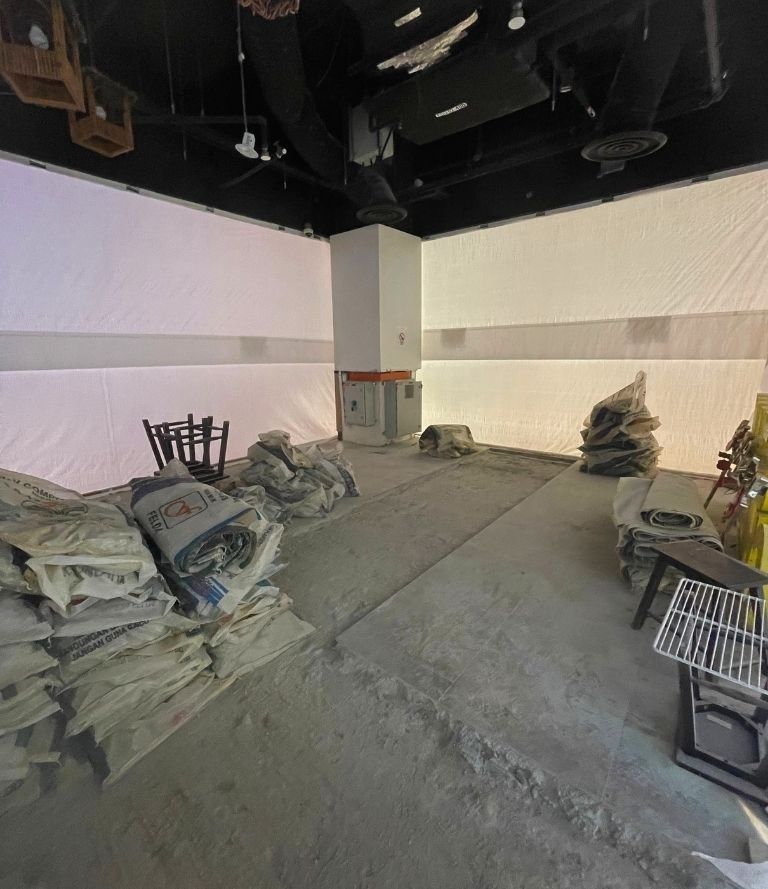
Dismantling Works
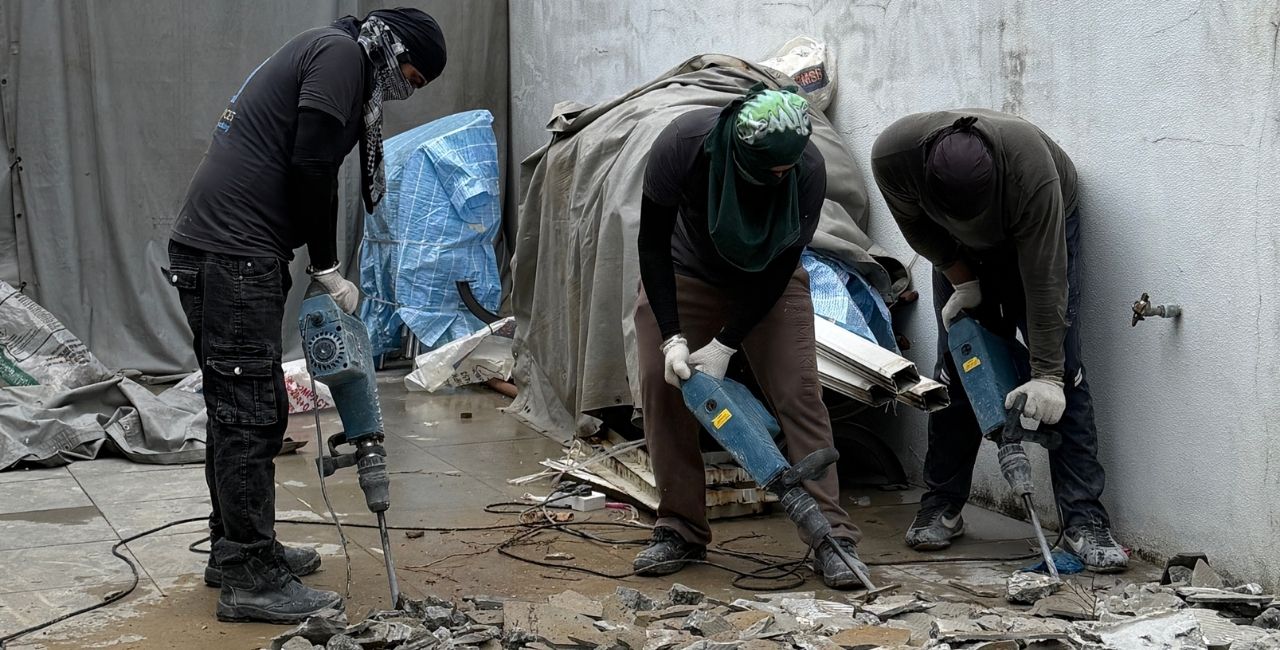
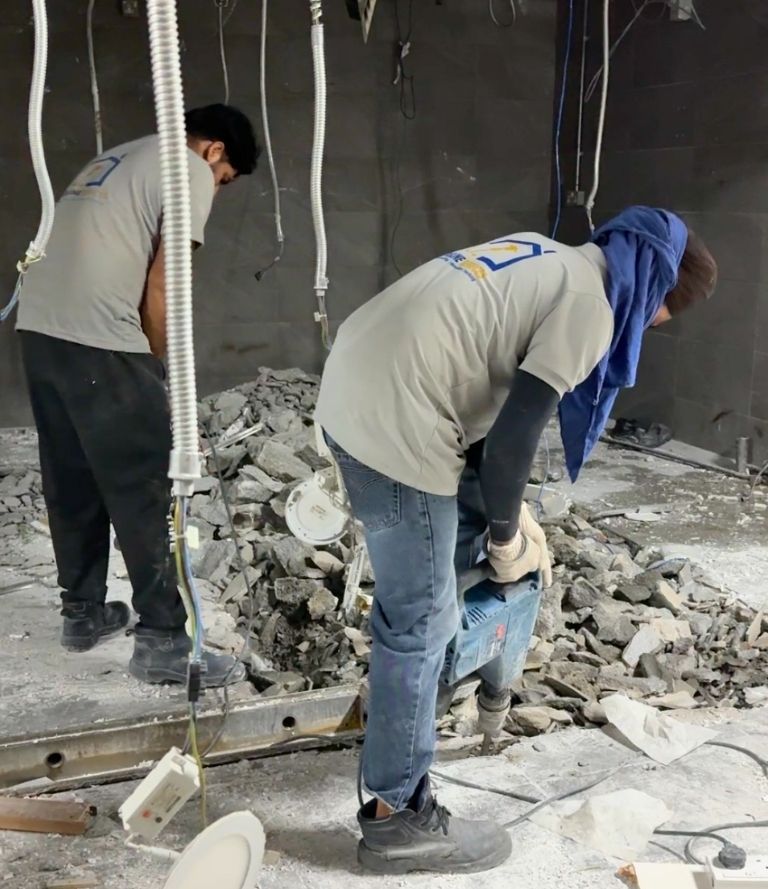
Hacking & Demolition
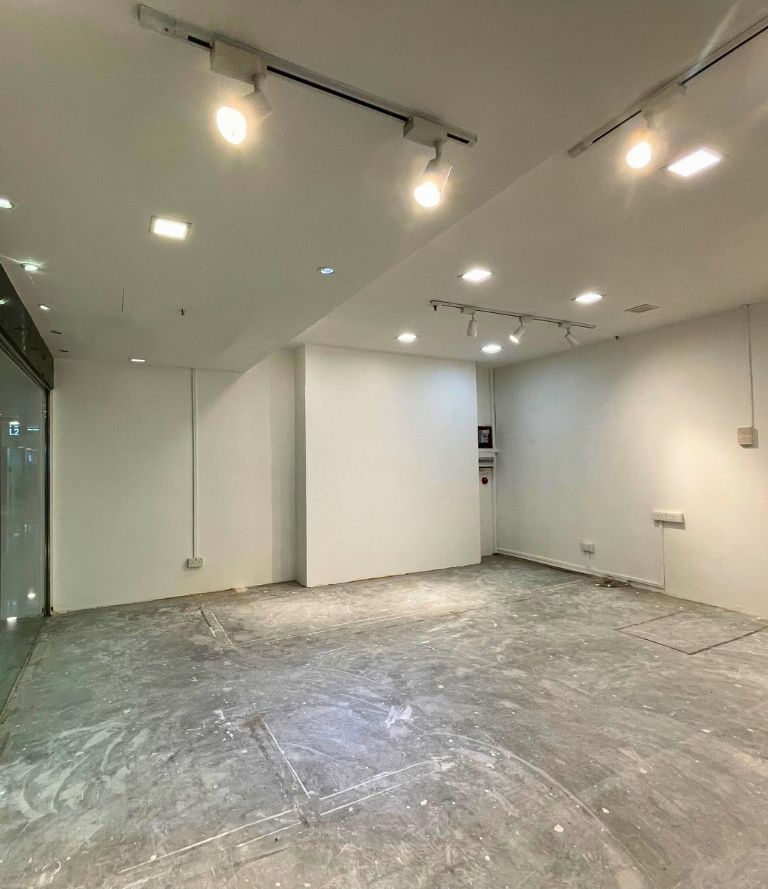
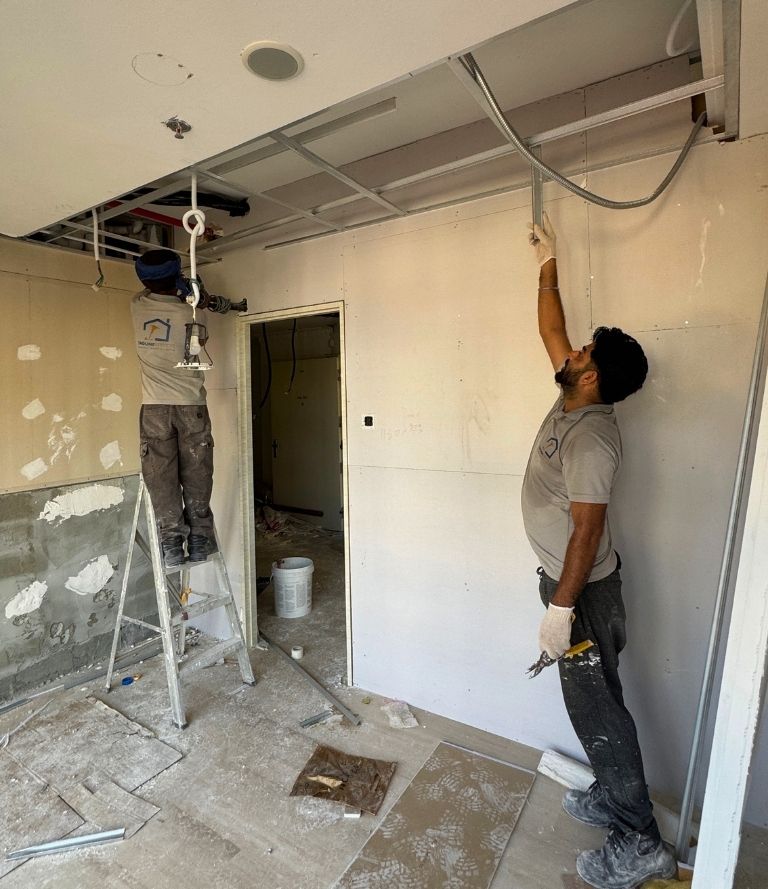
Wall & Ceiling Restoration
M&E Reinstatement
Permit Coordination
Waste Disposal
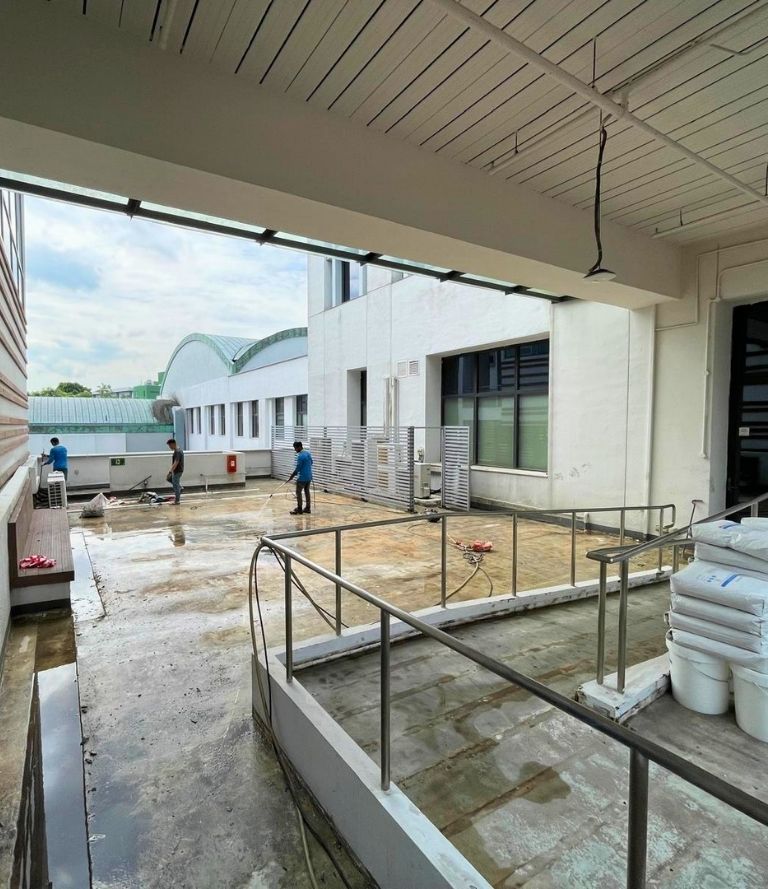
Final Cleaning
Project Handover
Our Projects
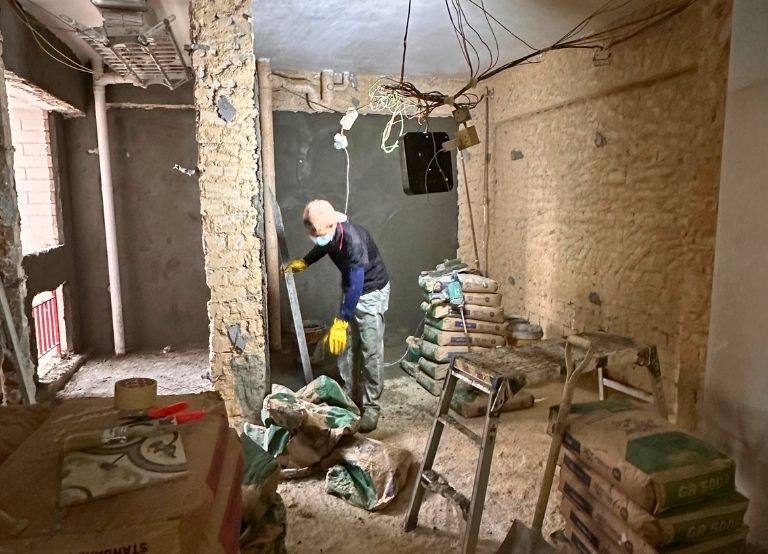
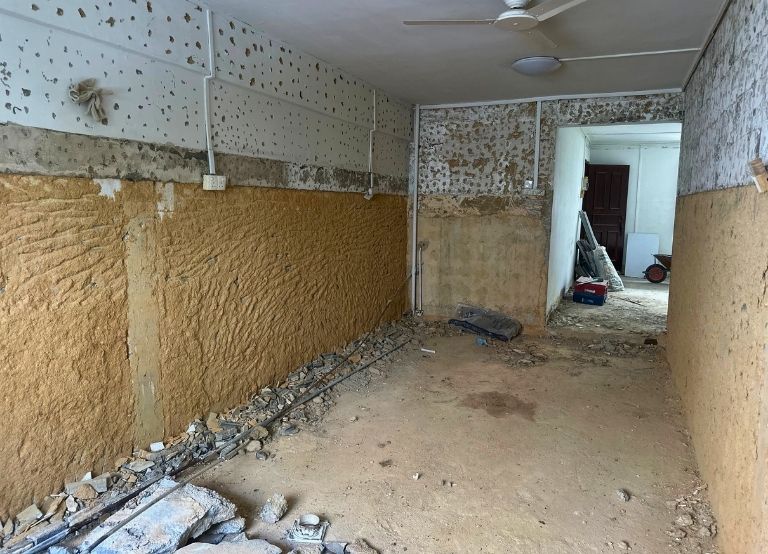
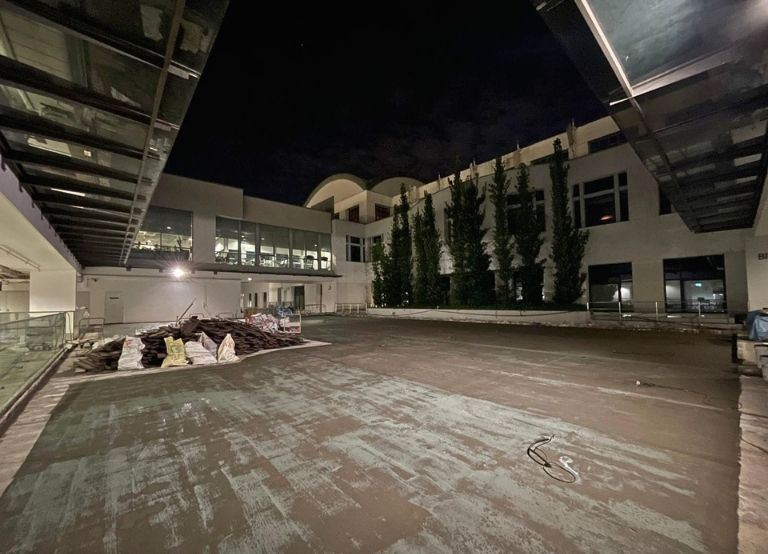
Explore our completed projects across commercial and residential spaces, delivered with quality, safety, and professionalism.
Frequently Asked Question
Find answers to our question about our consulting coverage options.
Commercial reinstatement returns a tenanted space to its original approved condition, in line with the tenancy agreement. This is commonly known as restoring the unit to its “shell-and-core” state.
The exact scope depends on the alterations made during the tenancy. For most retail, F&B, office and industrial units, reinstatement works may include:
- Full interior strip-out, including partition walls, suspended ceilings, raised access flooring, built-in joinery and furniture
- Hacking of floor tiles or screed where the original floor finish must be restored
- Reinstatement of walls and ceilings through plastering, skim coating and surface restoration
- Decommissioning and capping of M&E services, including electrical points, data ports, plumbing and mechanical alterations
- Landlord-specified works such as shopfront and signage removal, grease trap decommissioning and other tenancy obligations
- Removal and responsible disposal of demolition debris in accordance with NEA requirements
The landlord’s or management’s reinstatement schedule usually attached to or referenced in the tenancy agreement, determines the final scope of work.
Yes, reinstatement is almost always mandatory before a commercial lease handover in Singapore.
The Two Common Exceptions:
- The Next Tenant Takes It “As-Is”: The incoming tenant agrees to retain the existing layout and fit-outs with the landlord’s written approval.
- Landlord Waiver: Renovations that enhance the unit such as meeting rooms or quality flooring may be retained if the landlord agrees and provides a written waiver.
There is no one-size-fits-all rate for commercial reinstatement. The cost depends on your unit’s size, existing fit-out, landlord requirements and the extent of alterations made during the tenancy.
Key cost factors include:
- Unit size and fit-out density
A heavily fitted F&B kitchen with extraction systems and grease traps will generally cost more to reinstate than a lightly fitted office with demountable partitions. - Ceiling configuration
Feature ceilings, bulkheads and integrated lighting structures require more time and care to dismantle than standard suspended ceiling systems. - M&E complexity
Extensive changes to electrical, data, air-conditioning, ventilation or plumbing systems require additional decommissioning and make-good work. - Floor finishes
Raised flooring, epoxy, hardwood and marble typically require more intensive removal than standard tiles. - Handover timeline
Tight lease-end deadlines may require extended working hours or weekend work, which can increase overall costs.
As a general guide, offices and retail units with standard fit-outs tend to cost less than F&B or industrial spaces with heavier installations. However, a per-square-foot estimate rarely tells the full story and may leave important exclusions unclear.
At Tagline Services, we provide a complimentary site assessment and fully itemised quotation, so you know exactly what is included before work begins. Request a quote for a clear, line-by-line breakdown tailored to your unit.
Yes. Each type of commercial space has different fit-out requirements, which directly influence the scope, timeline, and cost of reinstatement.
- Retail units
Works may include removing shopfront glazing, aluminium frames, signage, display walls and feature ceilings, as well as hacking floor finishes back to the original screed. Shopping malls often provide detailed reinstatement checklists, which should be reviewed before quotation. - F&B units
F&B reinstatement is typically more extensive. In addition to a standard strip-out, it may involve dismantling kitchens, removing extraction ductwork and canopies, decommissioning grease traps and capping gas or plumbing points. These works often require specialist coordination, resulting in a longer programme and higher cost than a similarly sized retail or office unit. - Office units
Common requirements include removing partitions, raised access flooring and suspended ceilings, together with decommissioning data cabling, electrical systems and air-conditioning modifications. For larger or multi-floor offices, works may be completed in phases to meet safety and building management requirements. - Industrial units
The scope varies considerably. A light industrial unit may need only a basic strip-out, while manufacturing facilities can require the removal of mezzanine structures, racking, equipment plinths and service installations. Any structural or hazardous-material considerations must also be assessed carefully.
Your tenancy agreement and the landlord’s reinstatement schedule ultimately determine what needs to be done.
At Tagline Services, we review these requirements during the site assessment and build them into a clear, itemised quotation so you understand what is required, how it affects the cost and what to expect at handover.
Yes, for any structural or hacking works carried out within a commercial building in Singapore, the contractor must be registered with the Building and Construction Authority (BCA).
If your unit is located within an HDB commercial property, ensure your contractor holds HDB licence, as not all contractors are authorised to carry out such works.
Tagline Services holds BCA registration, an HDB licence, and bizSAFE certification, and complies with NEA requirements for responsible waste disposal. Our credentials are available upon request and can be included with your formal quotation for building management or procurement review.
The timeline depends on the size of the unit, the complexity of the reinstatement and the permits or approvals required. As a general guide:
- Small retail or F&B units below 500 sq ft: Approximately 5–10 working days for a standard strip-out and reinstatement
- Mid-sized units from 500–2,000 sq ft: Approximately 10–18 working days, depending on the M&E works and ceiling configuration
- Large commercial spaces above 2,000 sq ft: Approximately 18–35 working days, depending on the scope and whether works can be carried out concurrently
- Industrial units: Timelines vary considerably, particularly where extensive structural or mechanical alterations must be reversed
These estimates assume all necessary permits and building management approvals are in place before work begins. Where formal submissions or technical drawings are required, the approval process may take an additional 5–14 working days or longer, depending on the property and scope.
Early planning is the best way to protect your lease-end deadline. We recommend starting the assessment and approval process as soon as notice to vacate is first officially given.
At Tagline Services, you receive a clear project schedule including anticipated approval lead times together with your quotation. For urgent handovers, our Priority Works tier offers site mobilisation within 48 hours, subject to scope confirmation and the required approvals.
If the premises do not meet the agreed handover requirements, the landlord may request further rectification before accepting the unit.
Common reasons for rejection include:
- Incomplete reinstatement scope
Items in the landlord’s reinstatement schedule may have been missed, including less visible works such as partition wall removed but floor screed not reinstated beneath. - Unsatisfactory finishes
Walls, ceilings, floors and M&E termination points must be restored to the required specification. Uneven plastering, visible skim-coat marks or improperly capped services may result in defects being raised.
How Tagline Services prevents rejection:
We reduce the risk of rejection by assessing the works against your tenancy agreement and landlord’s reinstatement schedule. Before the official inspection, we conduct a detailed walkthrough and address outstanding items.
We can also attend the landlord’s inspection with you and rectify any defects raised within the agreed scope and timeframe.
If another contractor’s work has already been rejected, Tagline Services can assist with remedial reinstatement. Share the landlord’s defect list with us, and we will assess the required works and provide a clear recovery timeline.
Ready To Start Your Project?
Whether you’re planning a lease-end reinstatement, demolition, or site preparation works, our team is here to help. Share your project requirements, and we’ll provide a quotation and project programme tailored to your timeline.