



Planning to remove floor tiles, open up your kitchen or demolish an internal wall? Before hacking begins, it is important to understand what HDB allows, which works require approval and which structural elements must remain untouched.
Hiring an experienced HDB hacking contractor in Singapore helps protect more than your renovation schedule. The right contractor should understand HDB requirements, verify the approved scope and carry out the works safely without damaging concealed services or surrounding structures.
This guide explains the essentials homeowners should know before appointing a hacking renovation contractor.
What are HDB hacking works?
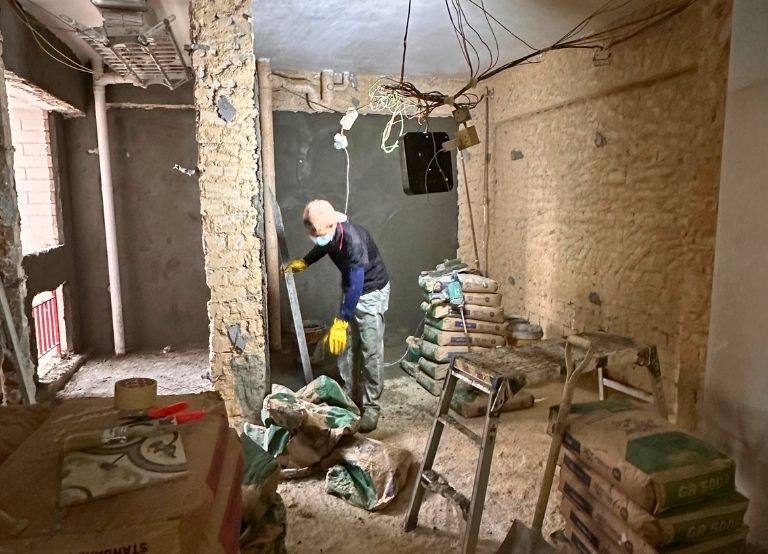
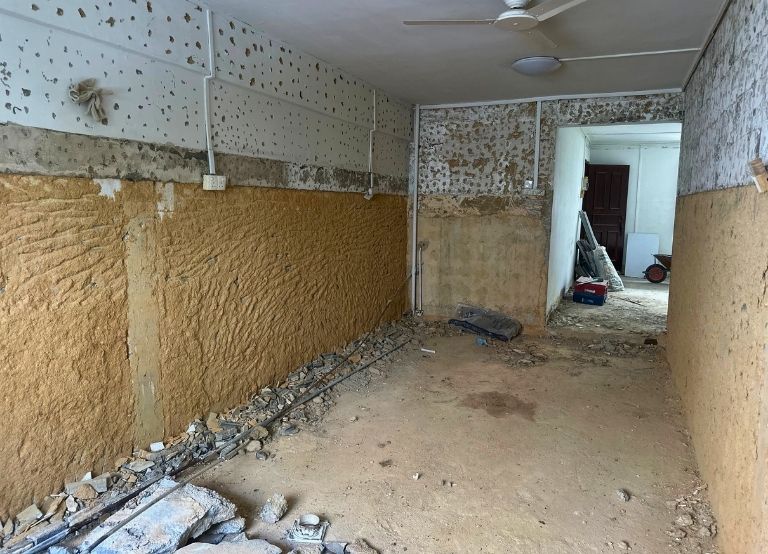
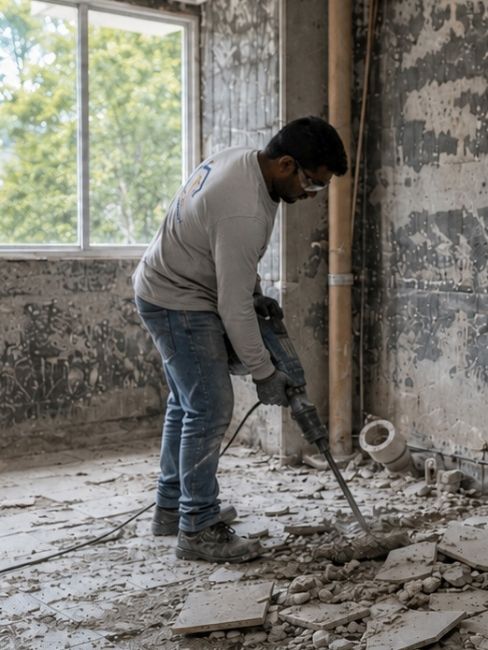
Hacking refers to the controlled removal of existing building finishes, fixtures or approved non-structural elements during a renovation.
A typical HDB hacking scope may include:
- Removing floor and wall tiles
- Removing screed or selected floor finishes
- Hacking bathroom and kitchen finishes
- Dismantling built-in carpentry
- Taking down false ceilings
- Removing sanitary fixtures
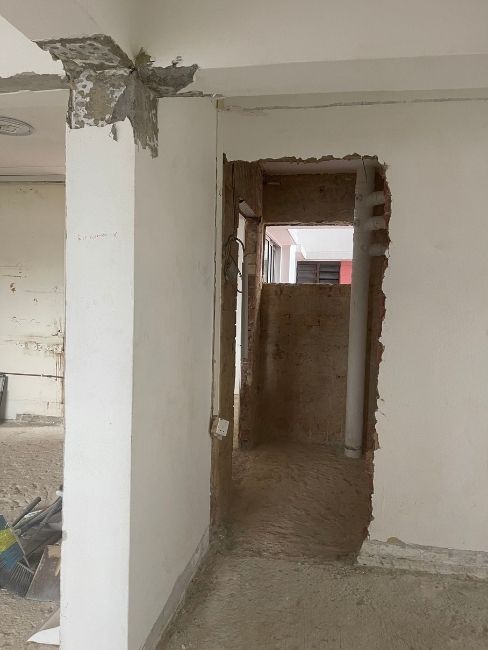
- Demolishing approved non-structural walls
- Clearing renovation debris
Not every item follows the same approval process. The requirements depend on what is being removed, where it is located and whether the work could affect the flat’s structural integrity, waterproofing or essential services.
Do HDB hacking works require a renovation permit?
Some hacking works require HDB’s prior approval, while others may fall under separate notification procedures.
Any partial or complete demolition of an internal wall must be submitted to HDB for evaluation. The proposed work should be clearly marked on the flat’s floor plan and submitted by the appointed contractor before hacking begins.
For certain floor or wall finish works, a Notice of Alteration may apply instead of a renovation permit. The precise requirement should always be checked against the latest guidelines for your flat and proposed scope.
HDB states that homeowners must appoint a contractor listed in its Directory of Renovation Contractors for renovation works in an HDB flat. The contractor submits the renovation application on the homeowner’s behalf. Read HDB’s renovation permit guidance.
What hacking works are generally allowed?
Subject to the applicable conditions, notifications and approvals, common works may include:
Removal of floor and wall finishes
Existing tiles and finishes may generally be removed for replacement. However, the contractor must take care not to damage the floor slab, concealed services or adjoining property.
For newly completed HDB flats, a three-year restriction applies to removing wall and floor finishes in bathrooms and toilets. Homeowners should check the specific conditions for their flat before planning wet-area hacking.
Demolition of approved non-structural walls
A non-structural internal wall may be approved for partial or complete demolition after HDB evaluates the proposal.
Approval should never be assumed based on the wall’s thickness, material or sound when tapped. A visual inspection or “knock test” cannot reliably determine whether a wall is structural.
Kitchen and bathroom strip-outs
A hacking renovation contractor may remove kitchen cabinets, countertops, bathroom fixtures and approved wall or floor finishes as part of a wider strip-out.
Before hacking begins, water and electrical services should be identified, isolated or protected where necessary. Wet-area works must also be coordinated carefully because hacking can affect the existing waterproofing system.
Dismantling non-structural fixtures
Built-in wardrobes, feature walls, false ceilings and other non-structural installations can usually be dismantled, provided the work does not interfere with structural members, concealed services or regulated features.
What requires HDB’s prior approval?
HDB approval may be required for works including:
- Partial or complete demolition of internal walls
- Alterations that differ from HDB’s published renovation conditions
- Certain works involving non-load-bearing reinforced concrete elements
- Changes requiring assesmsent by a Professional Engineer (PE)
- Renovations affecting specific building, sanitary or fire-safety provisions
Where professional assessment is required, HDB may ask the homeowner to appoint a Professional Engineer to certify or supervise the work.
A reliable HDB hacking contractor in Singapore should identify these requirements before confirming the demolition schedule not after workers have arrived on-site.
What hacking works are prohibited?
Some parts of an HDB flat are structural, safety-critical or protected and must not be altered.
Structural walls, columns, beams and slabs
Reinforced concrete structural members must not be hacked, cut or damaged. These elements form part of the building’s structure and are different from removable internal partitions. Even if a wall appears to interrupt a preferred layout, demolition must not proceed unless HDB has approved the work.
Household shelter structure
The household shelter is designed as a civil defence shelter. Its reinforced walls, floor, ceiling, steel door and ventilation components are subject to strict controls.
Indiscriminate hacking or drilling of the household shelter is not permitted. Any finishes or fixtures involving the shelter must comply with the applicable HDB and SCDF requirements.
Unauthorised structural alterations
A contractor must not expand an approved opening, hack beyond the marked area or continue after encountering an unexpected reinforced concrete element.
The approved drawings define the permitted scope. Any discrepancy discovered on-site should be raised before further work proceeds.
Other disallowed works
HDB also identifies other prohibited or restricted alterations, including certain changes to the external façade, refuse chute, structural staircase, floor slab and void areas. Requirements vary by flat type, so the latest guidelines should be reviewed before work starts.
What are the permitted hours for HDB hacking?
Noisy renovation works including wall demolition, tile removal, heavy drilling and the removal of wall or floor finishes are generally permitted:
- Monday to Friday: 9am–5pm
- Saturdays, Sundays and public holidays: Not permitted
- Eves of specified major public holidays: Not permitted
HDB requires noisy demolition and the removal of wall or floor finishes to be completed within three consecutive days.
General renovation work may usually be conducted from 9am–6pm on weekdays and Saturdays. Renovation work is not permitted on Sundays or public holidays.
Written notice must also be given to neighbouring flats within the required radius before renovation starts, and the Notice of Renovation must remain displayed during the project. Review HDB’s current contractor terms and working-hour rules.
How can you tell whether a wall can be hacked?
Do not rely on assumptions based on wall thickness, material or location.
Before proposing wall demolition, your contractor should:
- Obtain or review the flat’s floor plan.
- Mark the exact wall and extent of removal.
- Submit the proposed work to HDB for evaluation.
- Confirm whether professional assessment is required.
- Wait for written approval before hacking.
- Brief the certified workers on the approved boundaries.
If site conditions differ from the plan, work should stop until the discrepancy has been assessed.


What happens if a structural element is encountered?
Hacking must stop immediately.
The affected area should be secured, and the homeowner should be informed. Depending on the situation, HDB and a Professional Engineer may need to assess the element before work resumes.
The contractor should never conceal unexpected structural damage with a cosmetic patch or continue hacking around it without clearance.
This is why contractor selection matters. Responsible demolition is not simply about removing material quickly it is about knowing when not to proceed.
How should an HDB hacking contractor protect your home?
A professional hacking contractor should establish a clear site-protection and demolition plan before mobilisation.
This may include:
- Protecting the entrance, lift and approved access route
- Covering retained doors, windows and finishes
- Identifying water pipes and electrical routes
- Isolating relevant services
- Marking the approved hacking boundaries
- Controlling dust and flying debris
- Removing waste at suitable intervals
- Inspecting the completed scope before handover
Only HDB-approved handheld tools or equivalent compliant equipment should be used. HDB also restricts the number and specifications of hacking tools that may operate at one time.
How Tagline Services manages HDB hacking works
At Tagline Services, every project begins with a review of the property, drawings and intended renovation scope.
Our process includes:
Scope and drawing review
We review the proposed floor, wall and fixture removal against the available plans and HDB requirements. Potential structural or approval issues are raised before mobilisation.
Clear, itemised quotation
The hacking scope is broken down by area and work type, helping homeowners and interior designers understand what is included.
Permit and notification coordination
Where applicable, we coordinate the renovation submission, neighbour notifications and required site documentation before works commence.
Controlled project execution
Our team follows the approved scope and working hours, with site protection, safety controls and debris management maintained throughout.
Written variation management
If hidden tile layers, concealed services or unexpected structural elements are discovered, we explain the issue and its effect on the scope, cost and schedule. Additional work does not proceed without written approval.
Clean handover
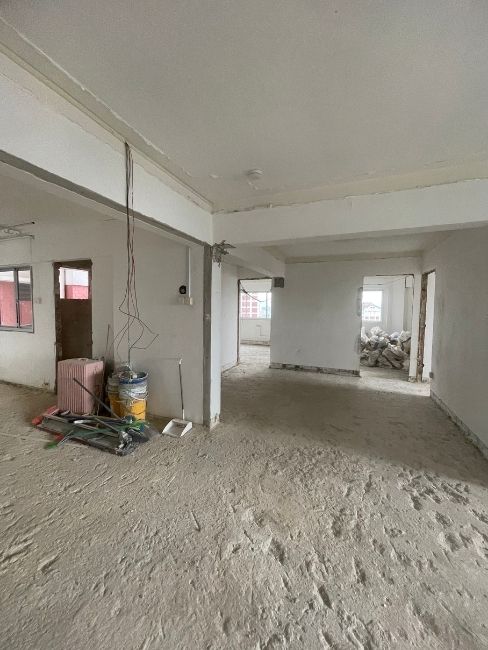
Once hacking is complete, debris is removed and the agreed areas are checked before handover to the interior designer or next trade.
Choosing an HDB hacking contractor in Singapore
Before appointing a contractor, ask:
- Is the company listed in HDB’s Directory of Renovation Contractors?
- Will it manage the required permit or notification?
- Are certified workers assigned to wall demolition?
- Does the quotation clearly define the areas and materials being removed?
- How will variations be documented and approved?
- What site-protection measures are included?
- Does debris removal form part of the quotation?
- Will the site be inspected before handover?
The cheapest quotation may not offer the lowest final cost if permits, protection, disposal or additional tile layers are excluded.
Choose a hacking renovation contractor that provides a transparent scope, communicates site conditions early and understands how the demolition phase affects the rest of your renovation.
Plan your HDB hacking works with confidence
Tagline Services supports homeowners and interior design firms with scope reviews, permit coordination, controlled hacking, transparent variation management and renovation-ready handovers.
If you are looking for an experienced HDB hacking contractor in Singapore, contact Tagline Services to arrange a site assessment and receive an itemised quotation for your project.