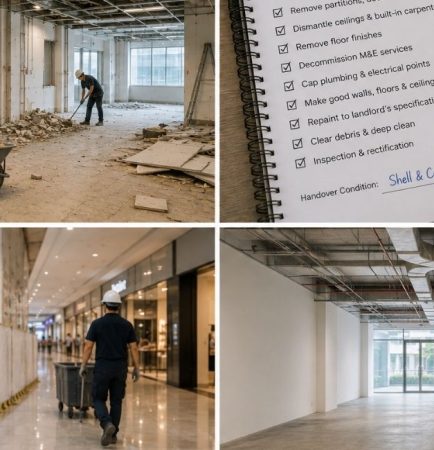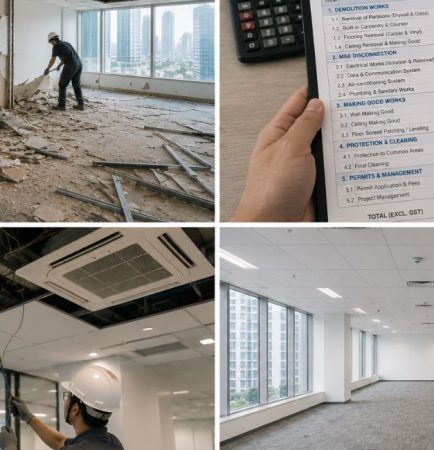



Choosing a demolition contractor in Singapore involves more than comparing quotations. Commercial demolition often takes place within malls, office towers and other managed properties, where access restrictions, safety requirements and handover deadlines must be coordinated carefully.
The right contractor should demonstrate how it controls the scope, manages the site and prepares the premises for the next phase not simply promise a fast strip-out.
Look for relevant commercial experience
Demolition requirements vary considerably by property type.
An office reinstatement may involve partitions, raised flooring, ceilings, data infrastructure and M&E systems. An F&B unit may require specialist coordination for exhaust ducts, grease traps, plumbing, gas services and fire-suppression equipment.
Ask potential contractors for case studies involving environments similar to yours. Each example should explain:
- The property and project size
- The demolition scope
- Access or working-hour restrictions
- How safety and protection were managed
- The agreed timeline
- The final handover outcome
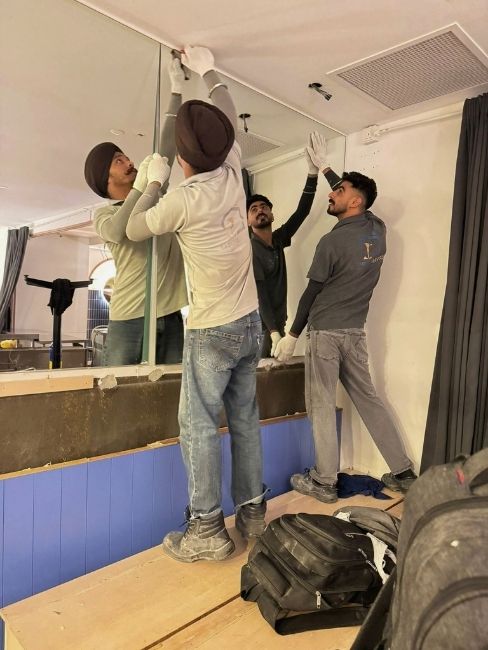
Specific evidence is more valuable than general claims about experience.
Check how the contractor controls the scope
Commercial demolition projects frequently encounter hidden conditions, including additional tile layers, undocumented services or construction that differs from the available drawings.
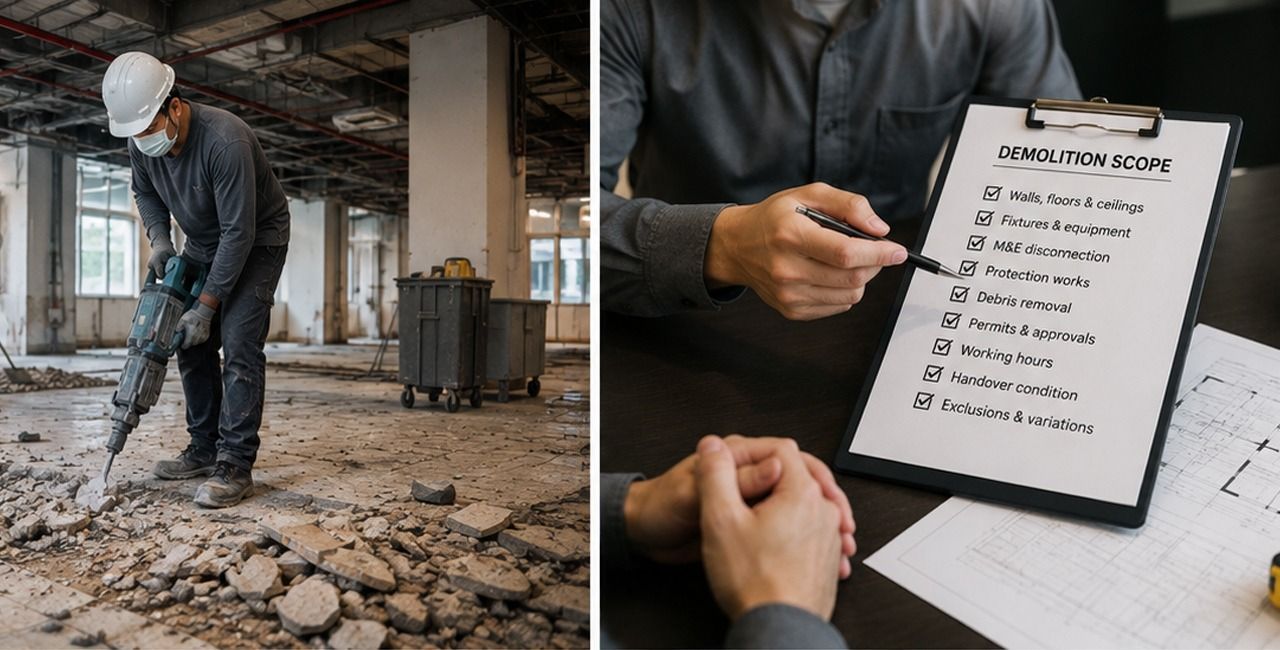
A clear quotation should identify:
- Walls, floors and ceilings to be removed
- Carpentry, fixtures and equipment included
- M&E disconnection and capping requirements
- Elements that must be retained and protected
- Site and common-area protection
- Debris removal and disposal
- Permits and specialist trades
- Working hours and project duration
- Required handover condition
- Exclusions and variation procedures

At Tagline Services, quotations are itemised by area and work type. If an unexpected condition is discovered, we document it, explain the proposed solution and confirm the cost or programme impact before additional work proceeds.
This gives clients, project managers and interior designers control over the decision rather than receiving an unplanned charge after completion.
Assess the project-management approach
The demolition phase determines when subsequent trades can begin. Delayed or incomplete work can affect the interior designer, M&E contractor, tiler and wider renovation programme.
A dependable demolition contractor in Singapore should provide:
- A confirmed mobilisation plan
- A realistic project schedule
- A dedicated point of contact
- Regular progress updates
- Coordination with building management
- Written variation notices
- A scope-complete handover
Tagline Services’ project executives are former interior designers who bring relevant technical experience to the contractor side. This background helps our team understand drawings, sequencing, and the condition expected by the incoming design or renovation team at handover.
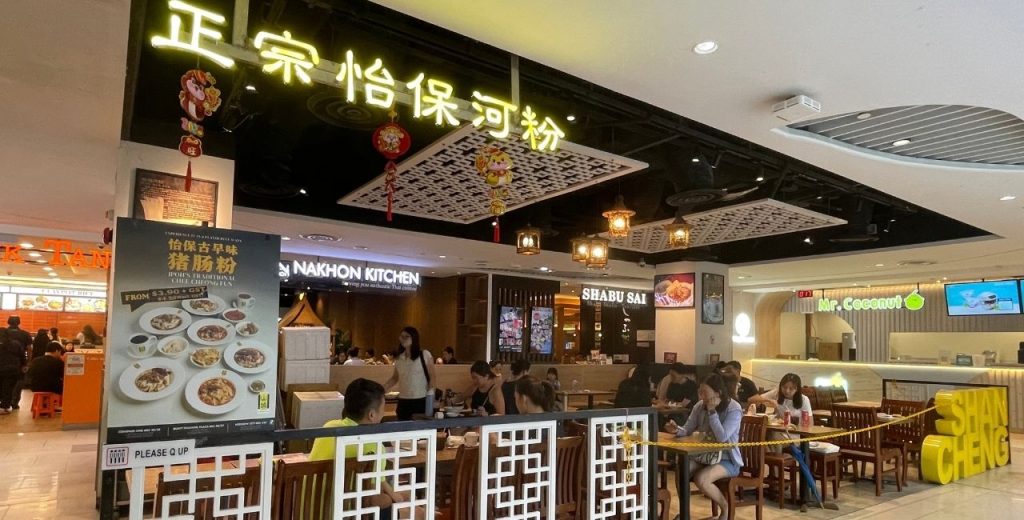
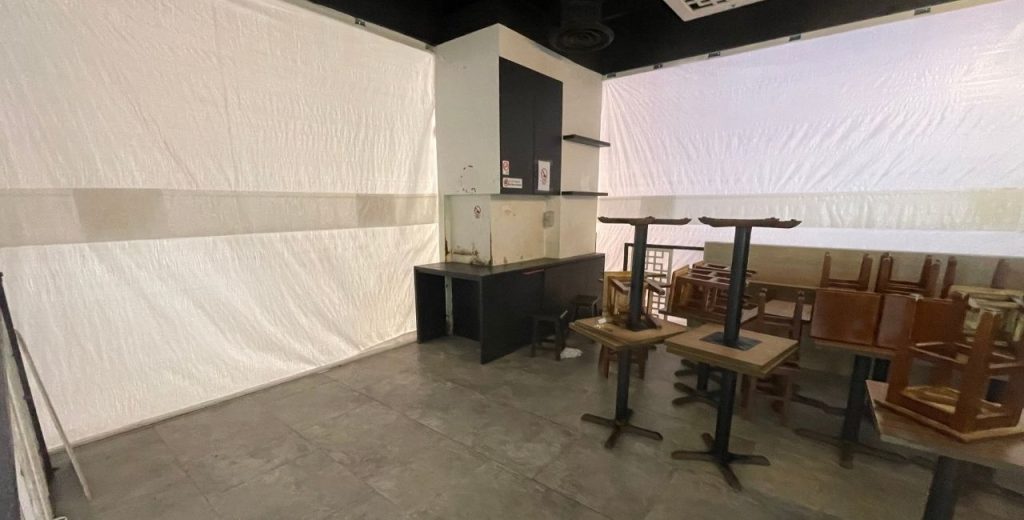
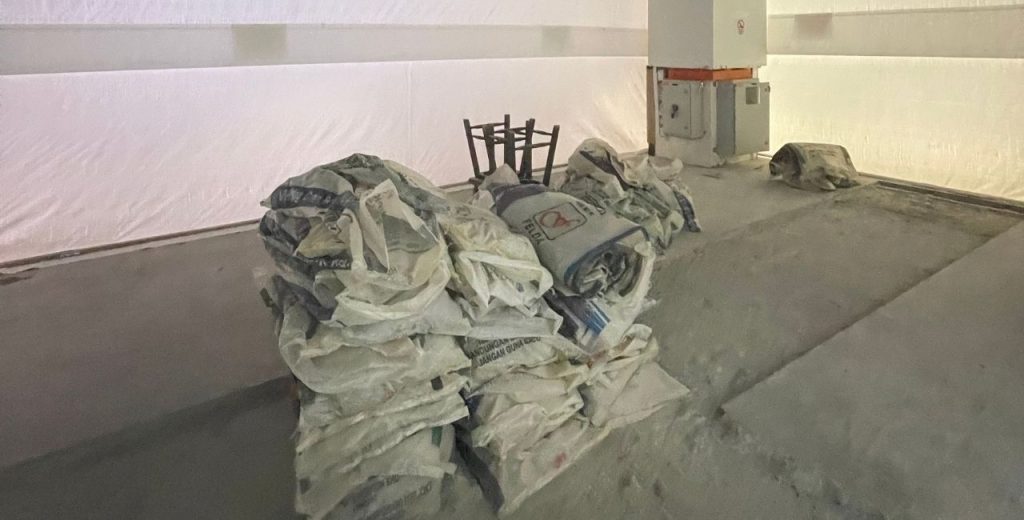
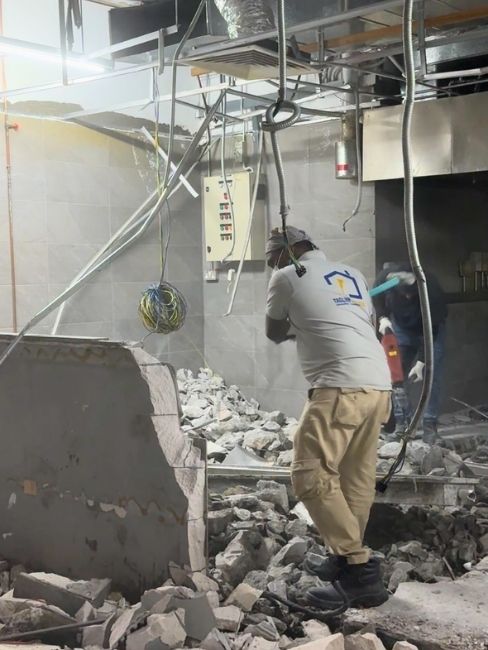
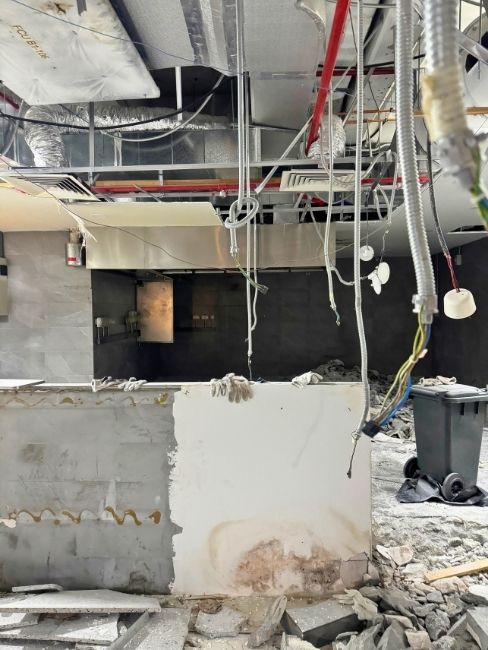
Case study: Three-day F&B unit reinstatement at Compass One Shopping Mall
A restaurant tenant facing a tight lease-end deadline required a complete base-build reinstatement within three days.
The scope included:
- Kitchen strip-out
- Extraction hood and ductwork removal
- Ceiling removal
- Flooring removal
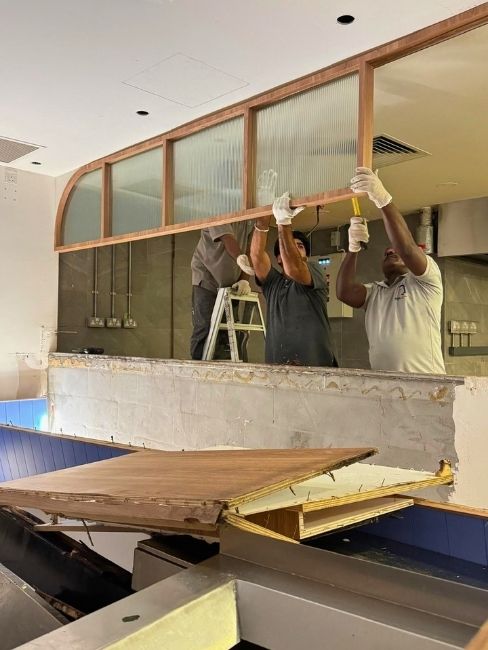
- Feature-wall dismantling
- Associated M&E decommissioning
Tagline Services coordinated the works through its Priority Works programme, managing the technical sequence and mall working restrictions within the compressed timeline.
The unit was completed on schedule and accepted by mall management at the first walkthrough, helping the tenant avoid a lease extension.
This case illustrates the importance of choosing a contractor with relevant F&B experience. Exhaust systems, service connections and landlord specifications must be addressed correctly not treated as ordinary demolition items.
Review safety, insurance and credentials
Ask the contractor to provide project-specific risk assessments, safe work procedures and evidence of suitable insurance. Coverage may include public liability, Work Injury Compensation, and contractor’s all-risk insurance, depending on the project and building management requirements.
Credentials should be current, verifiable and relevant to the proposed work.
Tagline Services holds BCA registration, bizSAFE STAR, bizSafe 3, ISO 9001 and ISO 45001 certifications. These credentials support our wider approach to safety, quality management and accountable project delivery.
Inspect the handover process
A demolition project is not complete when the last wall comes down.
Before handover, the contractor should:
- Check every area against the approved scope.
- Remove remaining debris.
- Confirm that retained elements are undamaged.
- Verify that required services are safely terminated.
- Close agreed snag items.
- Hand the site over in the specified condition.
For projects involving an incoming interior designer or main contractor, a clean and complete handover prevents the next trade from spending time resolving unfinished demolition work.
What sets Tagline Services apart
Tagline Services combines controlled demolition with an understanding of the wider renovation and handover programme.
Our approach is built around:
- Drawing-led scope reviews
- Transparent, itemised quotations
- Practical input from project executives with interior design experience
- Coordination with landlords, MCSTs and building managers
- Written approval before variations proceed
- Experience across offices, malls, F&B units and multi-storey properties
- Clean, renovation-ready handovers
When comparing contractors, look beyond the headline price. The stronger choice is the team that can demonstrate how it will manage safety, protect the programme, and deliver the complete scope in a condition that the next stakeholder can accept.