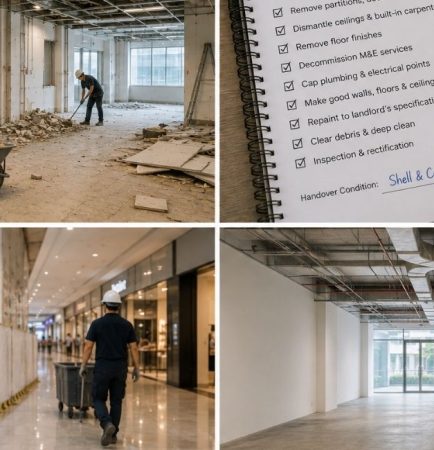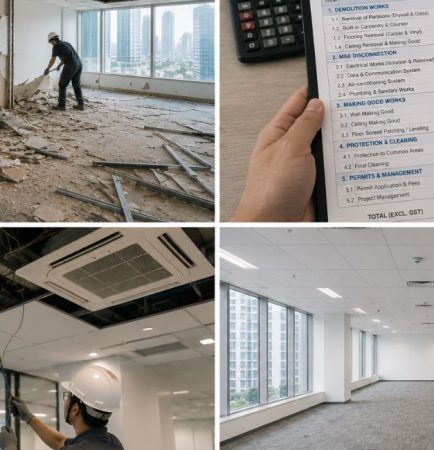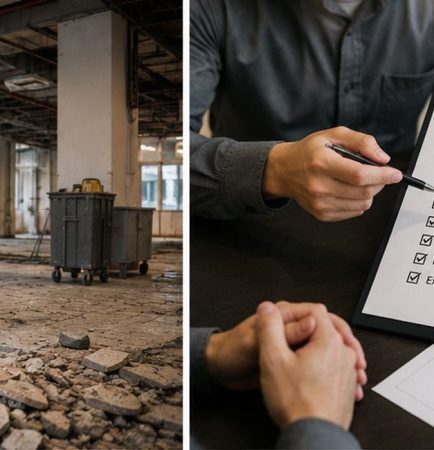

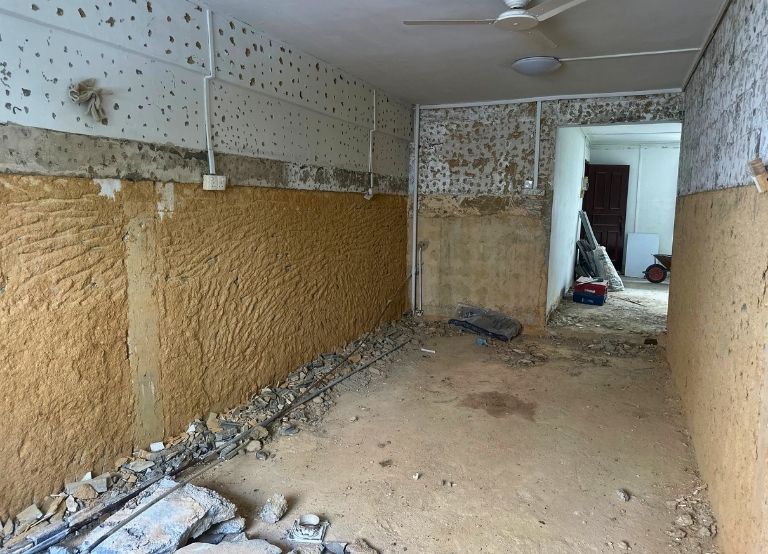


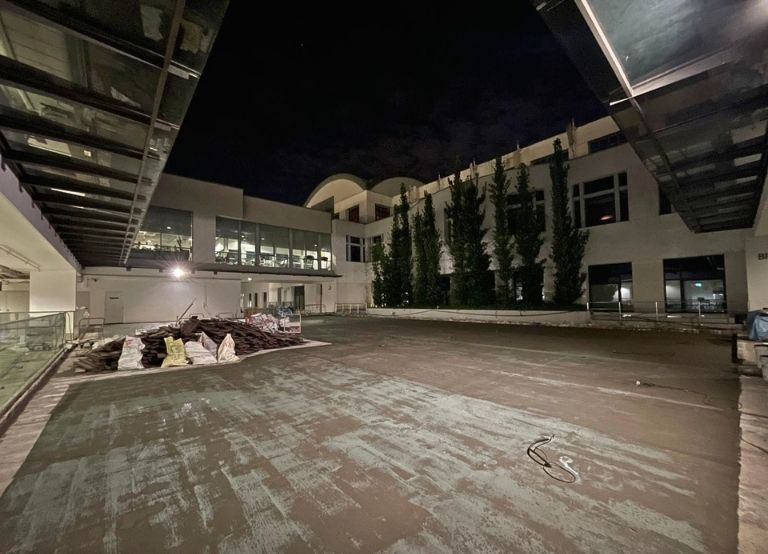
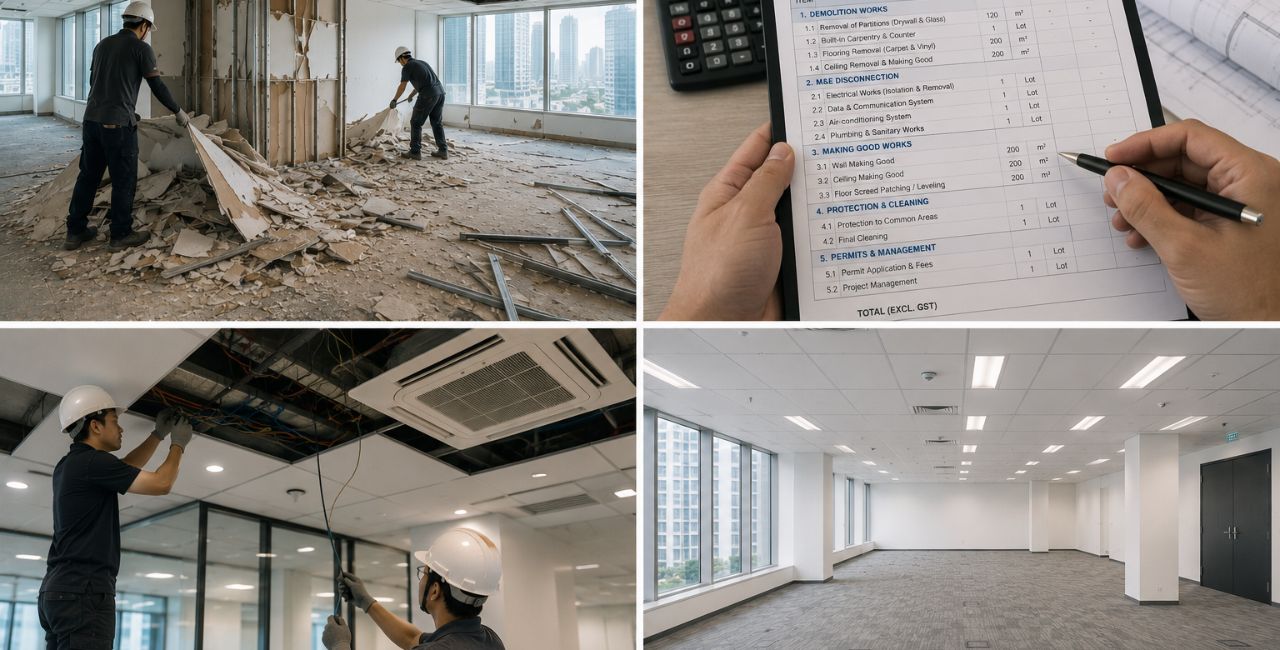
When an office lease ends, tenants are usually required to return the premises in the condition specified by the landlord. The cost can vary widely even between offices of a similar size because reinstatement is priced according to what must be removed, restored and certified.
If you are planning an office reinstatement in Singapore, a site-specific, itemised quotation will usually be more reliable than a general per-square-foot estimate.
Here are the main factors that influence the final price.

1. The landlord’s reinstatement requirements
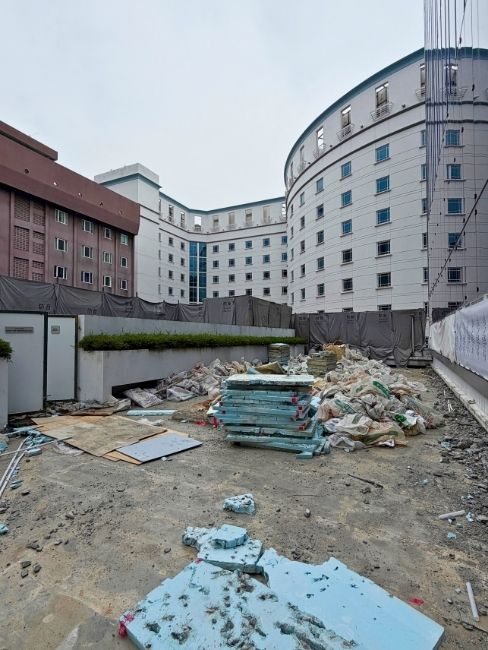
Your tenancy agreement and landlord’s reinstatement schedule determine the required handover condition.
Some landlords may accept a clean, open office while retaining selected base-building elements. Others may require the unit to be returned precisely to its original layout, including M&E termination points, ceiling configuration and floor finishes.
Before requesting quotations, gather:
- The tenancy reinstatement clause
- The landlord’s reinstatement checklist
- Original handover or base-build drawings
- Approved fit-out and M&E drawings
- Written confirmation of anything permitted to remain
- The required inspection and handover date
A clear brief allows contractors to quote against the same scope and reduces the likelihood of missing items.
2. Office size and fit-out density
A larger office will generally involve more labour, protection and debris disposal. However, floor area alone does not determine the price.
A compact office with meeting rooms, glass partitions, built-in cabinetry, a server room and extensive data infrastructure may cost more per square foot than a larger, lightly fitted open-plan office.
Fit-out density affects:
- The number of elements requiring dismantling
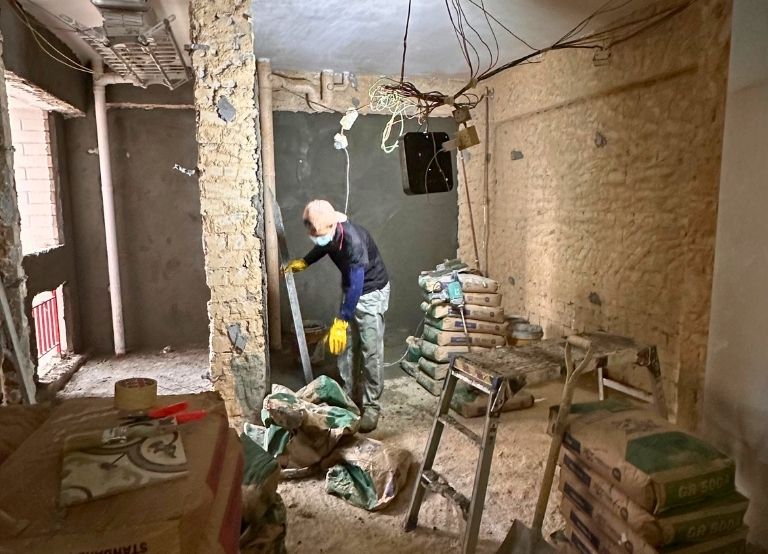
- Demolition and debris volume
- M&E decommissioning
- Making-good works
- Project duration and manpower
This is why two quotations for similarly sized offices may differ significantly.
3. Partitions, doors and built-in carpentry
Office reinstatement commonly includes removing:
- Drywall or gypsum-board partitions
- Glass meeting-room systems
- Demountable partitions
- Doors and frames
- Reception counters
- Storage cabinets and pantries
- Feature walls and display elements
The price depends on the quantity, construction method and ease of removal. Full-height glazed partitions, acoustic walls and heavy built-in joinery generally require more controlled dismantling than lightweight partitions.
The contractor must also make good the adjoining floors, walls and ceilings after these elements are removed.derstand drawings, sequencing, and the condition expected by the incoming design or renovation team at handover.
4. Flooring and substrate condition
Office flooring may include carpet tiles, vinyl, timber, raised access flooring, epoxy coatings or stone finishes.
Cost is affected by:
- The flooring material
- The adhesive or fixing method
- Whether the finish must be removed completely
- The condition of the slab or screed below
- The landlord’s required final finish
- The presence of multiple flooring layers
Removing the visible finish may reveal adhesive residue, damaged screed, anchor points or uneven surfaces. These conditions may require grinding, patching or screed reinstatement before handover.rience. Exhaust systems, service connections and landlord specifications must be addressed correctly not treated as ordinary demolition items.

5. Ceiling and lighting modifications
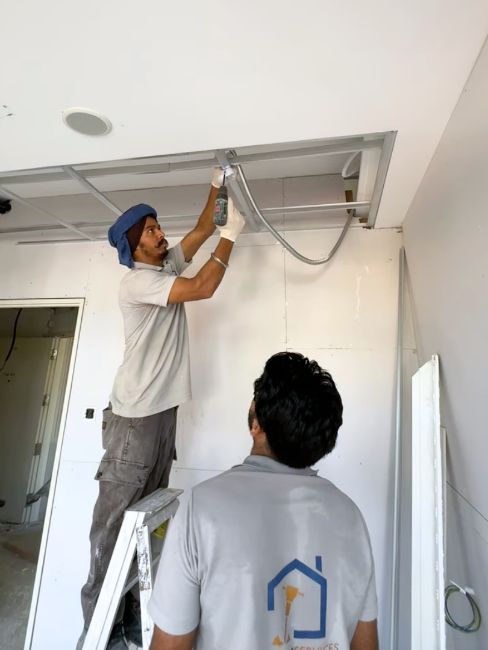
A standard suspended ceiling may be relatively straightforward to reinstate. Feature ceilings, bulkheads, exposed services and integrated lighting systems require more labour and coordination.
The scope may include:
- Removing feature ceilings and bulkheads
- Restoring the original ceiling grid
- Replacing damaged ceiling tiles
- Removing tenant-installed lighting
- Closing openings left by services
- Reinstating base-build light fittings
The quotation should state clearly whether ceiling repair, replacement materials and lighting reinstatement are included.
6. M&E and data-system complexity
Mechanical and electrical works are often among the biggest cost variables in office reinstatement services.
The office may contain:
- Additional electrical circuits
- Data cabling and cable trays
- Floor boxes and power points
- Modified distribution boards
- Air-conditioning alterations
- Supplementary cooling systems
- Fire-alarm or sprinkler modifications
- Pantry plumbing and drainage
- Server-room infrastructure
These services must be safely isolated, removed or returned to the termination points required by building management. Certain works may require the relevant licensed trades, testing or completion documents.
Reinstatement should never involve cutting services and concealing them above the ceiling. The required decommissioning standard should be established before demolition begins.
7. Building access and working restrictions
Commercial buildings often control when and how reinstatement works may be carried out.
Cost may increase where the project requires:
- Night or weekend work
- Restricted noisy-work periods
- Cargo-lift bookings
- Loading-bay reservations
- Common-area protection
- Daily debris removal
- Limited parking or material-staging areas
- Additional security or supervision
- Phased work around occupied premises
A CBD office tower with narrow loading windows may require more coordination than a vacant industrial office with direct vehicle access.
8. Permits and specialist requirements
Building management may request contractor credentials, insurance, risk assessments, work schedules and technical drawings before issuing a permit-to-work.
Depending on the scope, other professional or regulatory clearances may also be required. BCA notes that while some building works do not need plan approval, owners remain responsible for checking whether other approvals or technical requirements apply.
Your quotation should identify who is responsible for submissions, specialist appointments and close-out documents.
9. Timeline and mobilisation requirements
A short lease-end window may require additional crews, extended hours or overlapping work sequences.
Urgent mobilisation can be possible, but the contractor must still account for:
- Building-management approval
- Service isolation
- Site protection
- Specialist-trade availability
- Debris-removal arrangements
- Final inspection and rectification time
Planning early gives you more control over the programme and reduces the risk of premium costs associated with compressed schedules.
Why a per-square-foot estimate may be misleading
A square-foot rate can be useful for early budgeting, but it does not show what is included.
Before comparing prices, check whether each quotation covers:
- Demolition and dismantling
- M&E decommissioning
- Floor and ceiling restoration
- Wall making-good and painting
- Protection works
- Waste removal
- Permits and specialist trades
- Final inspection support
- Rectification obligations
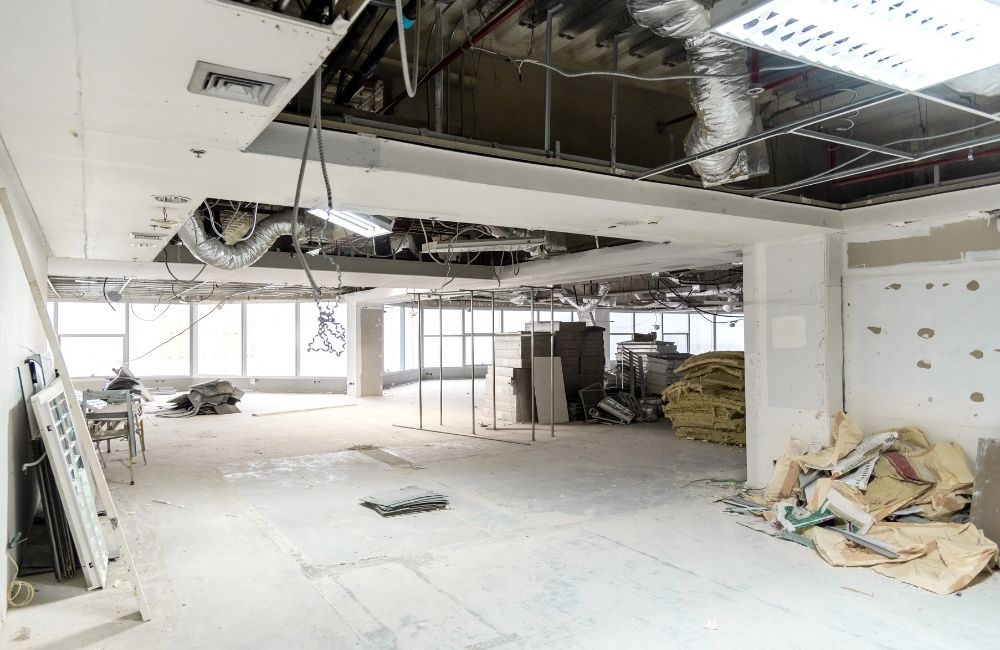
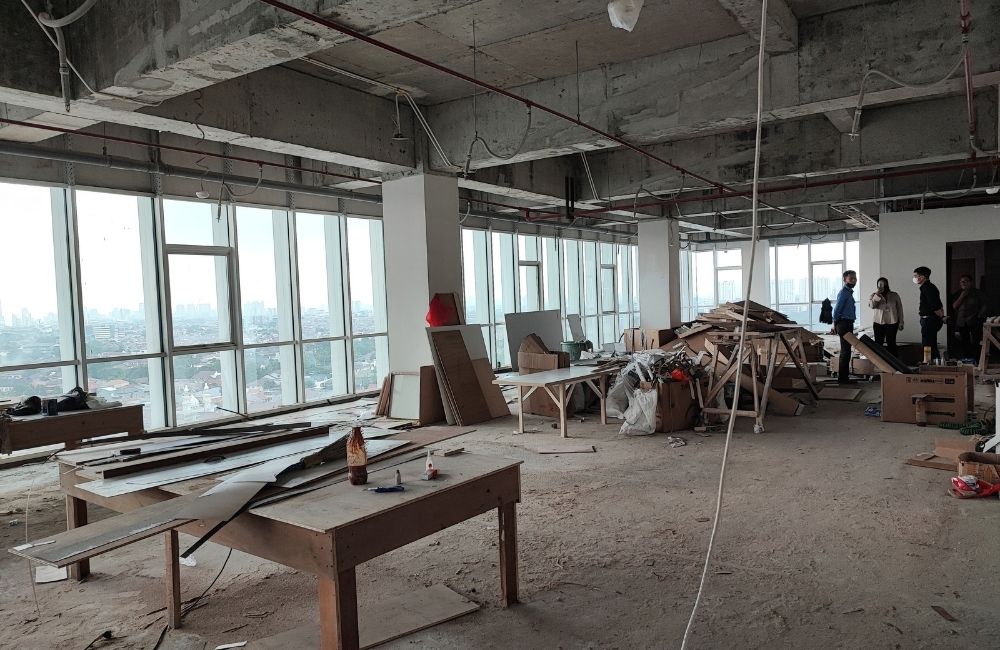
The most useful quotation is not necessarily the lowest. It is the one that maps clearly to the landlord’s requirements and leaves the fewest assumptions unresolved.
How Tagline Services prepares an office reinstatement quotation
Tagline Services begins with a site assessment and review of the available tenancy and reinstatement documents.
Our team then:
- Identifies tenant-installed elements requiring removal.
- Reviews M&E and specialist-service requirements.
- Assesses access and working-hour restrictions.
- Builds an itemised quotation by area and work type.
- Prepares a programme around the handover deadline.
- Flags exclusions, assumptions and potential risks.
- Documents unexpected conditions before variations proceed.
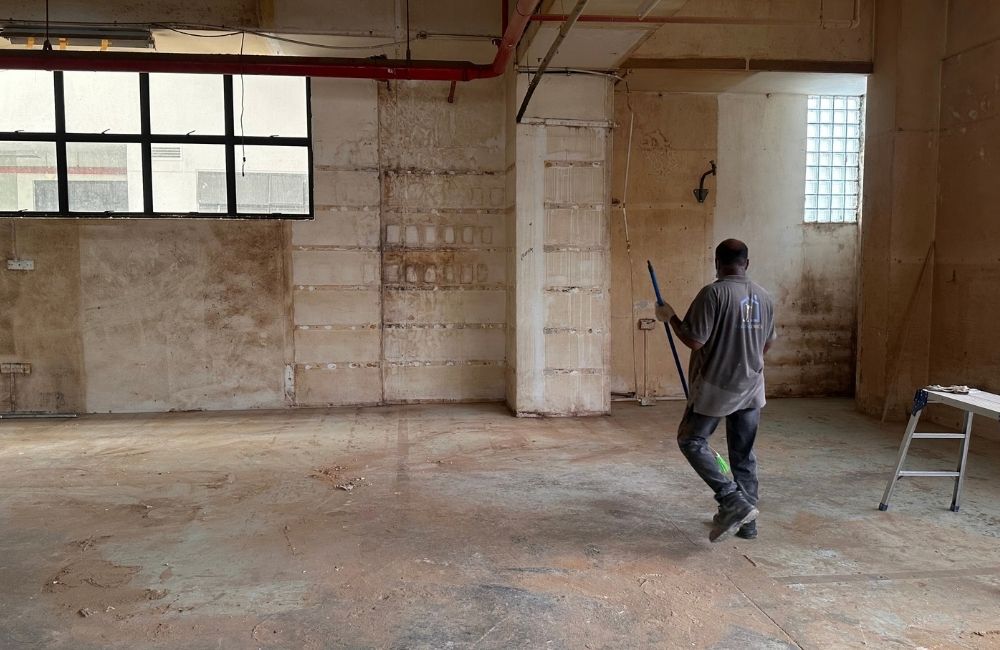
Plan your office reinstatement early
For smoother cost planning, begin the reinstatement assessment as soon as your lease-end date is confirmed.
A clear scope, early access planning and transparent quotation make it easier to control the budget while protecting the final handover date.

If you require office reinstatement in Singapore, contact Tagline Services to arrange a site assessment and receive an itemised quotation tailored to your unit, landlord requirements and project programme.